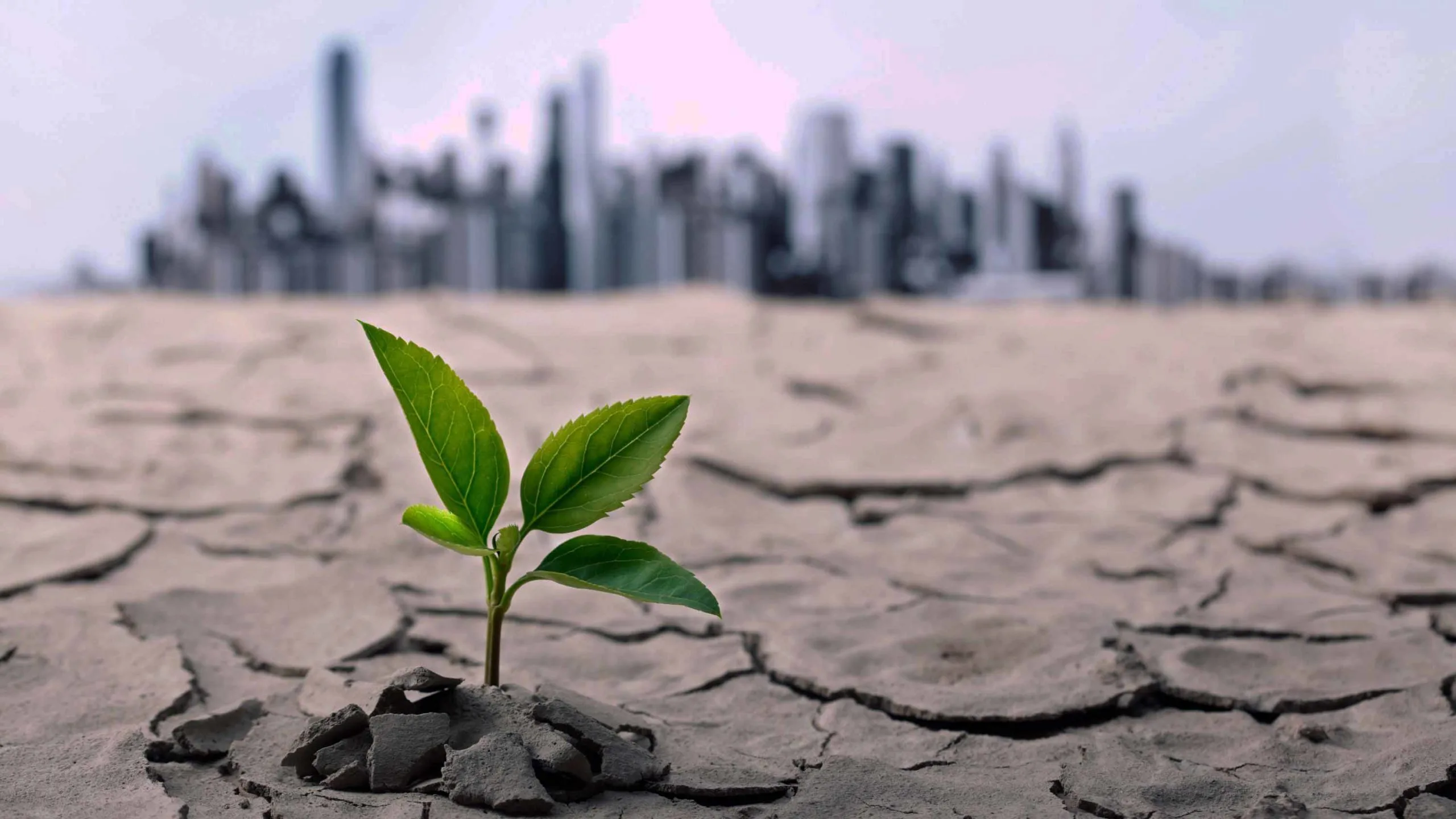
EVIDENCE
How Do We Know
Climate Change Is Real?
The evidence of climate change can be observed from
various data and phenomena worldwide.
Here is the evidence that climate change are occurring.
1. Global Temperature Rise
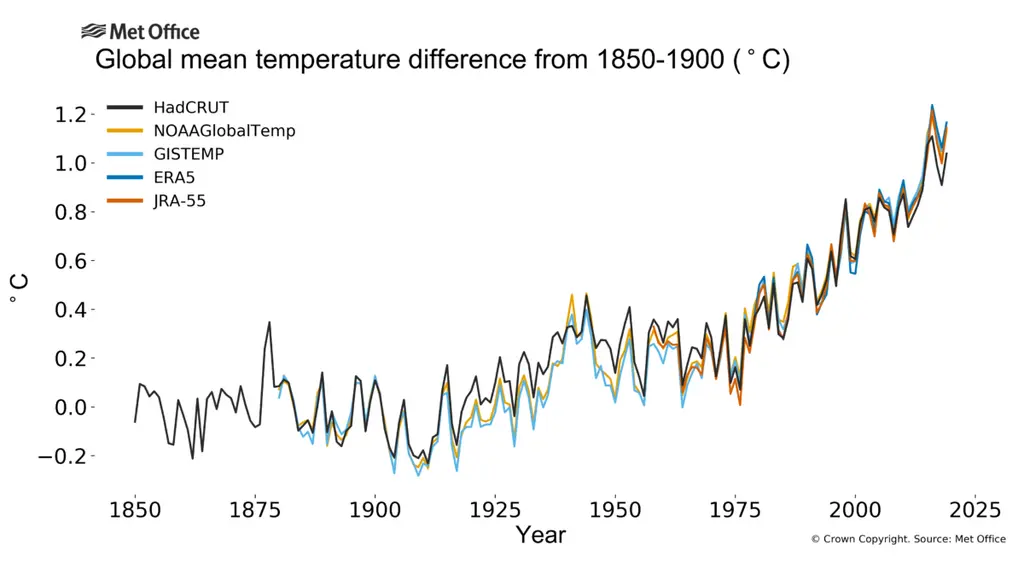 Source: WMO, 2019
Global temperature records indicate a significant increase over the past few decades. This global warming is reflected in data on sea and land surface temperatures.
Global temperature increase refers to the rise in the Earth's overall average atmospheric temperature over a specific period. This phenomenon is a result of global climate change caused by the increased concentration of greenhouse gases in the atmosphere, primarily carbon dioxide (CO2), methane (CH4), and nitrous oxide (N2O).
Human activities, especially the burning of fossil fuels for energy, deforestation, and industrial processes, release greenhouse gases into the atmosphere. These gases enhance the greenhouse effect, leading to an increased retention of heat in the atmosphere.
Higher temperatures can influence the geographic distribution of species, causing migration and changes in ecosystems. Species that cannot adapt quickly may face the risk of extinction.
2. Reduction of Snow and Ice Cover
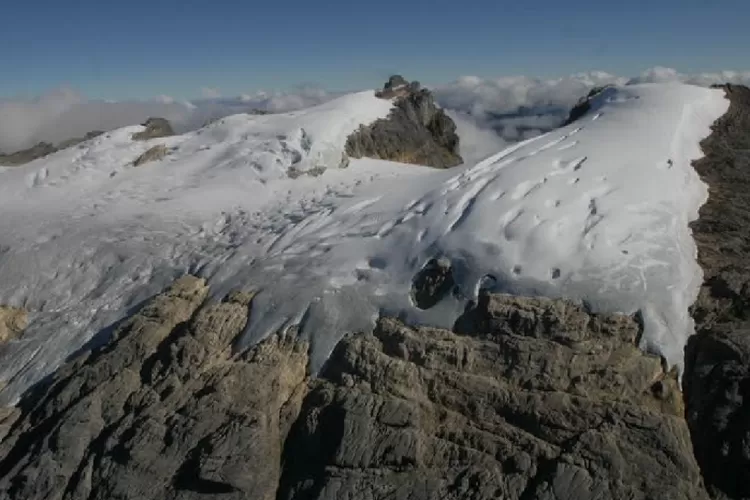
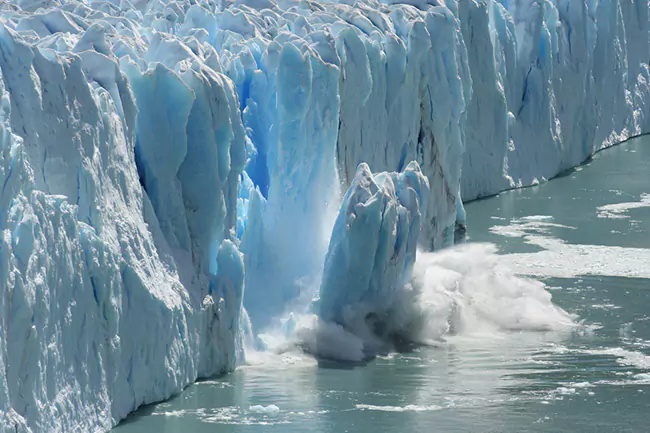
Changes in the ice cover on Puncak Jaya, also known as Carstensz Pyramid, the highest peak in Oceania located in the Papua Province of Indonesia, can also impact the surrounding ecosystem and environment.
The snow cover in the North and South Poles has shown a significant decline, and sea ice in some regions is experiencing rapid melting.
3. Sea Level Rise
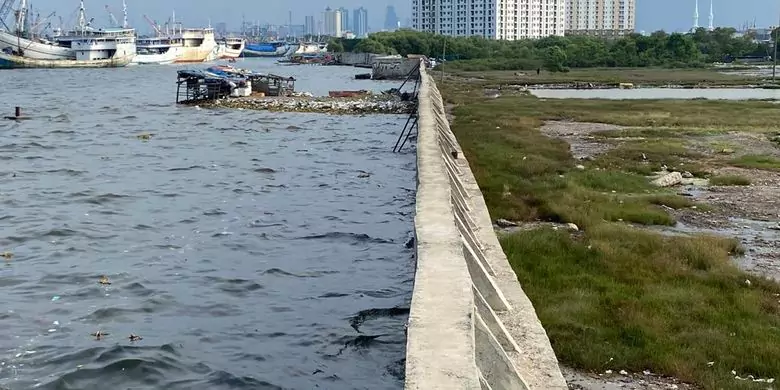 Source: Kumparan
Rising temperatures lead to the melting of glaciers and ice at the poles, resulting in sea level rise. Data indicates a global increase in sea level height.
In just 30 years, from 1993 to 2023, the average global sea level has risen more than 9 centimeters due to climate change.
The rise in sea level was animated by the United States space agency, the National Aeronautics and Space Administration (NASA), through an animation released on its website. The animation was created by Andrew J. Christensen, a data visualizer for NASA's Scientific Visualization Studio, and was released on June 16, 2023.
4. Changes in Weather Patterns
 Source: js.UGM.ac.id
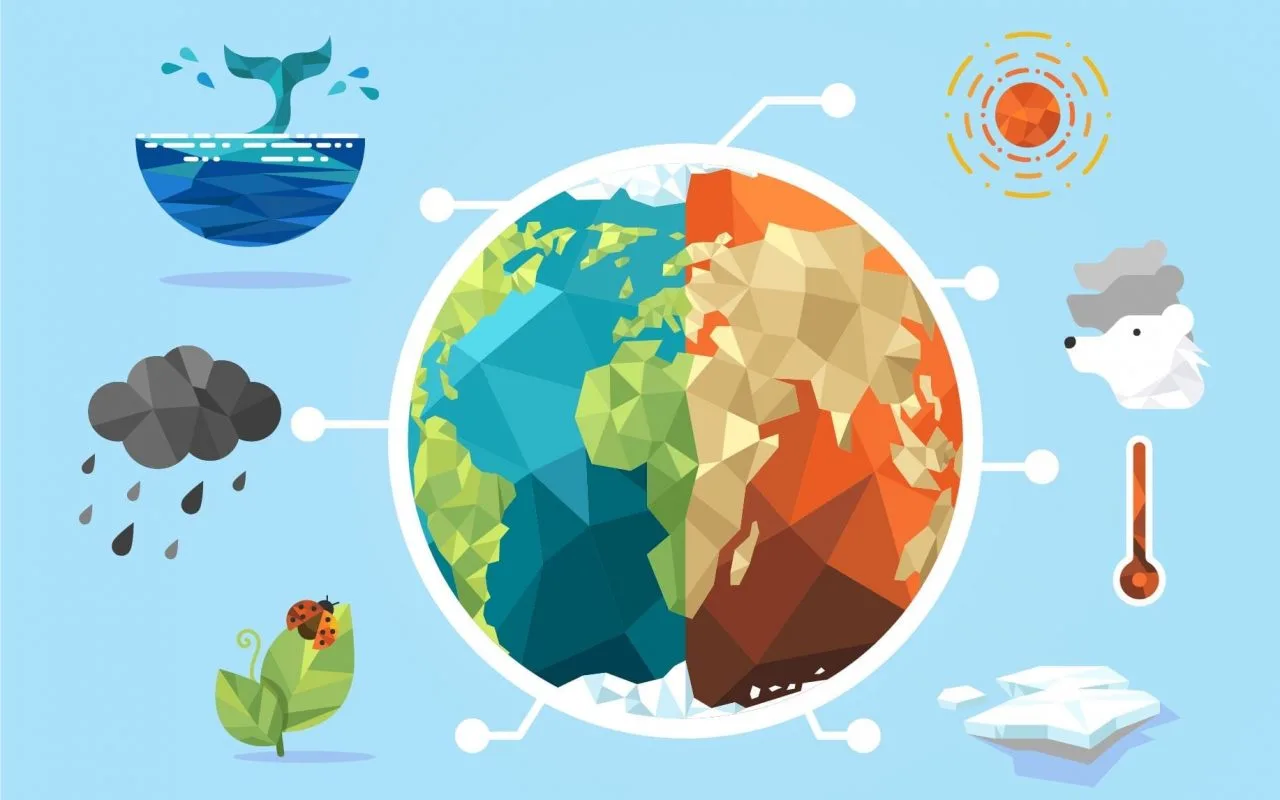
Changes in weather patterns, including an increase in the occurrence of extreme weather events such as storms, floods, droughts, and hurricanes.
Changes in weather patterns refer to shifts or alterations in the characteristics and behavior of weather that occur over a longer period. These changes may include variations in temperature, precipitation (rain and snow), air humidity, wind speed and direction, and the frequency of extreme weather events.
Changes in weather patterns can be caused by various factors, including global climate change and natural variations in the atmospheric system.
5. Changes in Forests and Ecosystems
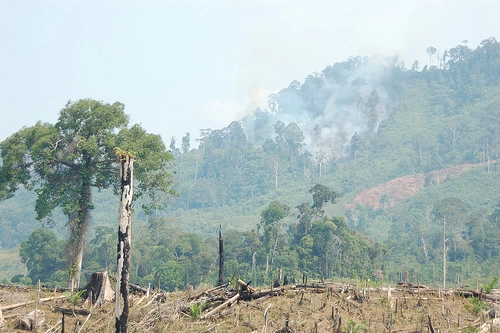 Source: Tim Cronin CIFOR, 2016
Climate change can impact the geographical distribution of animals and plants, leading to changes in ecosystems and biodiversity.
Changes in forests and ecosystems occur as a result of various factors, including human activities, climate change, and natural factors. These changes can have significant impacts on biodiversity, natural resources, and ecosystem balance.
Deforestation is the large-scale removal of forests by humans. It can be done to clear land for agriculture, logging, and urban expansion. Deforestation results in the loss of habitat, a decrease in biodiversity, and contributes to climate change.
Forest degradation involves damage or a decline in the quality of a forest without complete removal. It can include selective logging, forest fires, and other activities that harm the structure of the forest ecosystem.