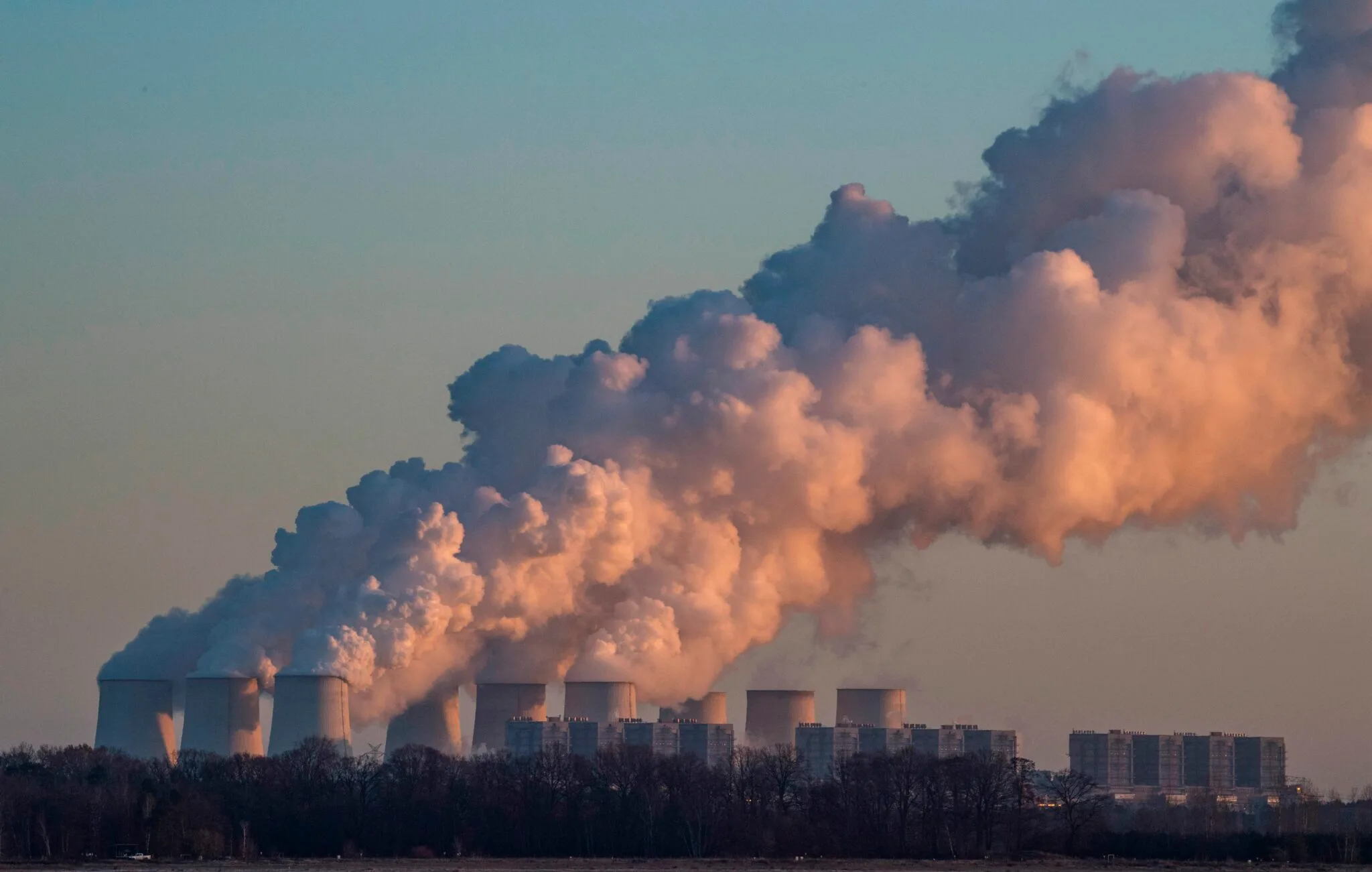
CAUSES
Why is Climate Change
Happening?
Climate change certainly does not come without cause,
but rather as a result of a certain event.
Climate change is caused by various factors, both natural and human-made. However, currently, much evidence indicates that the ongoing climate change is largely attributed to human activities.
Here are some main causes of climate change:
1. Greenhouse Gas Emissions
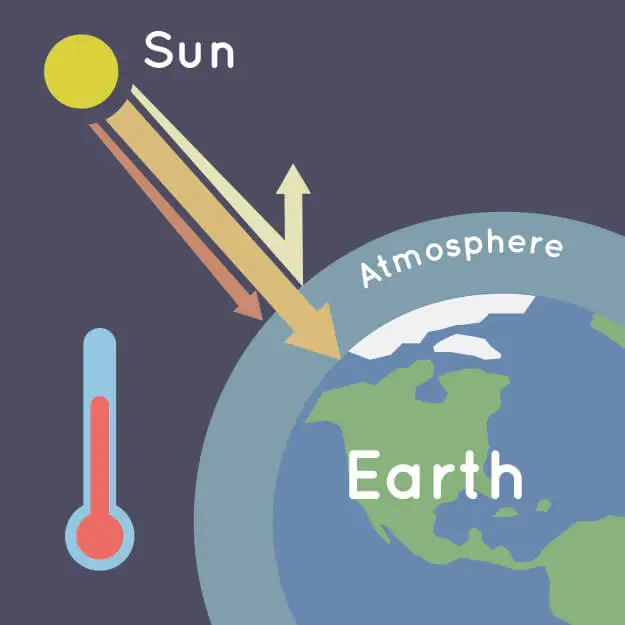 Photo: NASA/JPL-Caltech
The increase in greenhouse gas emissions is a primary cause of climate change. These gases, such as carbon dioxide (CO2), methane (CH4), and nitrous oxide (N2O), enhance the greenhouse effect, leading to an increased retention of heat in the atmosphere. Human activities, including the burning of fossil fuels, deforestation, and industrial production, contribute significantly to greenhouse gas emissions.
Gases in the atmosphere, such as carbon dioxide (CO2), methane (CH4), and water vapor, can absorb some of the infrared radiation emitted by the Earth. This results in the trapping of heat in the atmosphere, creating warmer conditions than if these gases were not present. The greenhouse effect can be illustrated with the analogy of a greenhouse, where incoming radiation is more easily allowed in than outgoing radiation.
Human activities, such as the burning of fossil fuels, deforestation, and industrial activities, can increase the concentration of greenhouse gases in the atmosphere. This heightened concentration can enhance the greenhouse effect and lead to a global temperature increase, known as global warming or climate change.
It is important to note that the greenhouse effect itself is a natural and necessary phenomenon to maintain Earth's temperature at a level conducive to life. However, the increase in greenhouse gas concentrations due to human activities can lead to unwanted climate change and pose a threat to Earth's ecosystems. Efforts to reduce greenhouse gas emissions have been a primary focus in addressing global climate change.
2. The Burning of Fossil Fuels
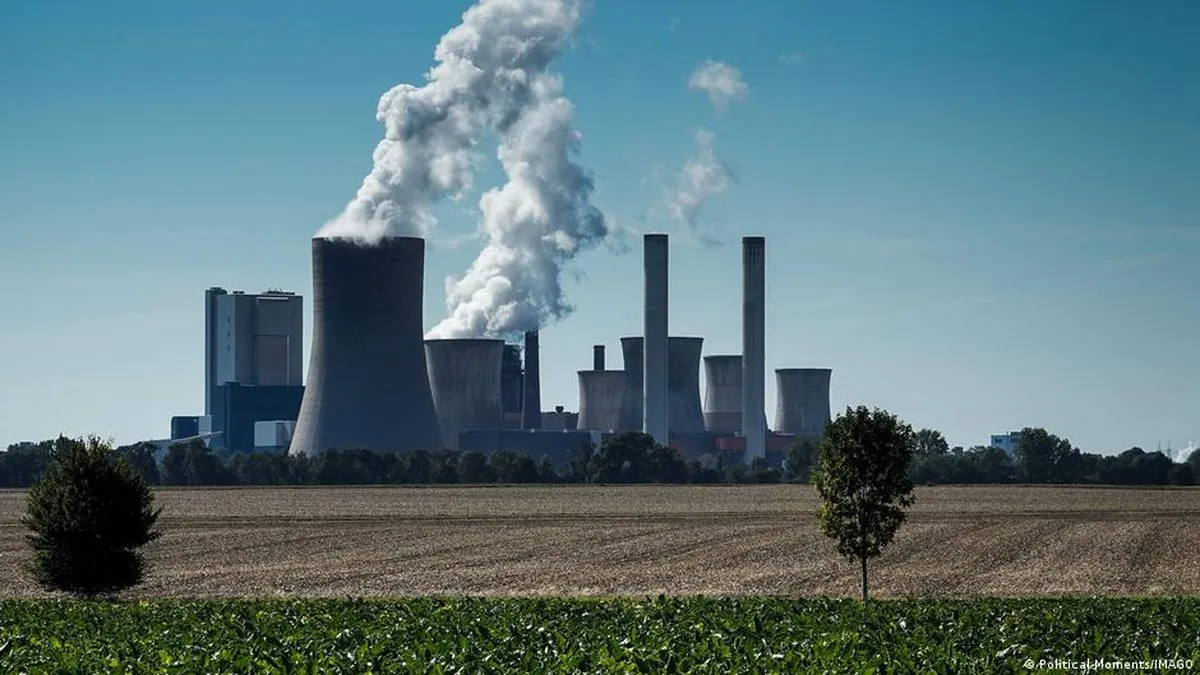 Photo: DW (News)
The burning of fossil fuels is a process in which fossil fuels such as coal, oil, and natural gas are combusted to generate energy. This process commonly occurs in power plants, motor vehicles, and industrial facilities.
While the combustion of fossil fuels provides the necessary energy to meet human needs, this process also results in the emission of greenhouse gases and other air pollutants, which have negative impacts on the environment and human health.
In an effort to address the negative impacts of fossil fuel combustion, many countries and organizations are actively seeking cleaner and more sustainable energy alternatives, such as renewable energy (solar, wind, hydro, etc.) and safe nuclear energy technologies.
3. Ocean Warming and Ice Melting
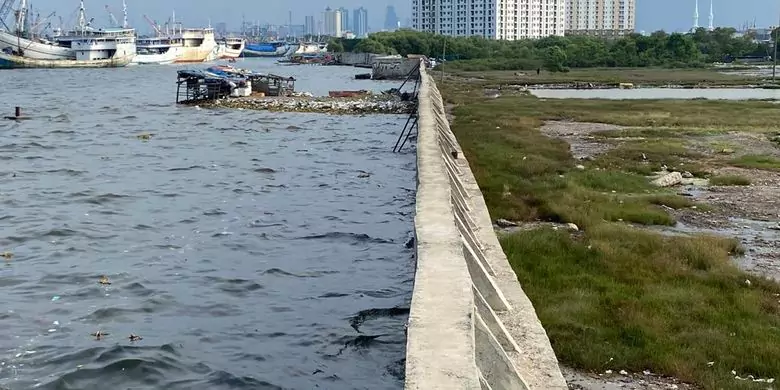
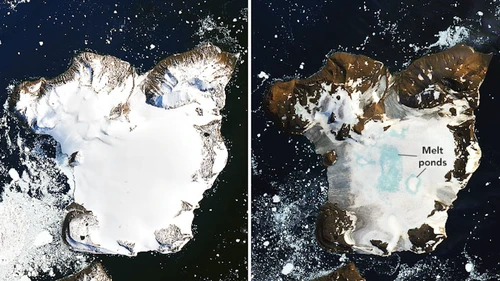 Photo: KompasSATELLITE IMAGE OF ICE LAYERS ON EAGLE ISLAND, ANTARCTICA, THROUGHOUT FEBRUARY 2020. JOSHUA STEVENS/LANDSAT/USGS
The rise in sea level refers to the phenomenon in which the sea surface gradually increases. This process is closely related to global climate change and has significant impacts, especially in coastal regions.
Some key factors causing the rise in sea level involve climate change and ocean dynamics.
Global warming leads to the melting of ice in polar regions and glaciers worldwide. The water released from the melting ice contributes to the increase in the volume of seawater.
Global warming also causes thermal expansion of seawater. Warmer water has a larger volume, leading to the rise in sea level.
The ice sheets in Greenland and Antarctica experience significant swelling or melting. Swelling can add to the volume of seawater, while melting can release water into the sea.
Changes in ocean currents and circulation can affect the distribution of water globally, causing sea level rise in some regions and a decrease in others.
4. Deforestation and Land-use Change
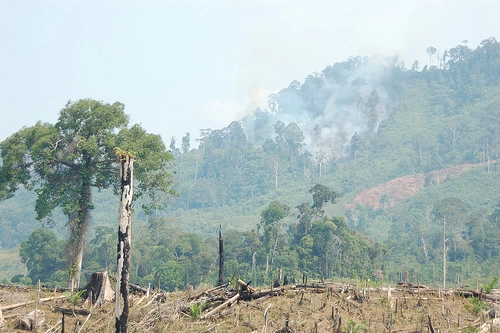 Field clearing around Lake Sentarum, West Kalimantan. Currently, due to socio-economic pressures, there is a shift in traditional land-use patterns.. Tim Cronin/CIFOR
Deforestation is a human activity involving the logging and removal of all or part of a forest. This practice can have serious impacts on the environment and various aspects of life on this planet.
Many forests worldwide are cleared to make space for agriculture and plantations. This practice often involves burning methods, which can harm the soil and result in greenhouse gas emissions.
Logging for timber and other wood products is a primary cause of deforestation. This occurs to meet demands from both local and international markets.
Infrastructure development such as roads, dams, and settlements often involves deforestation. This can damage ecosystems and lead to habitat loss. Forest fires, whether natural or caused by human activities like land burning, can result in extensive deforestation.
Large-scale deforestation releases stored carbon from plants and soil into the atmosphere. Land-use changes, such as converting forests into agricultural or urban areas, can also lead to the release of greenhouse gases and alter the Earth's surface characteristics.
5. The Increase In Population and Economic Growth
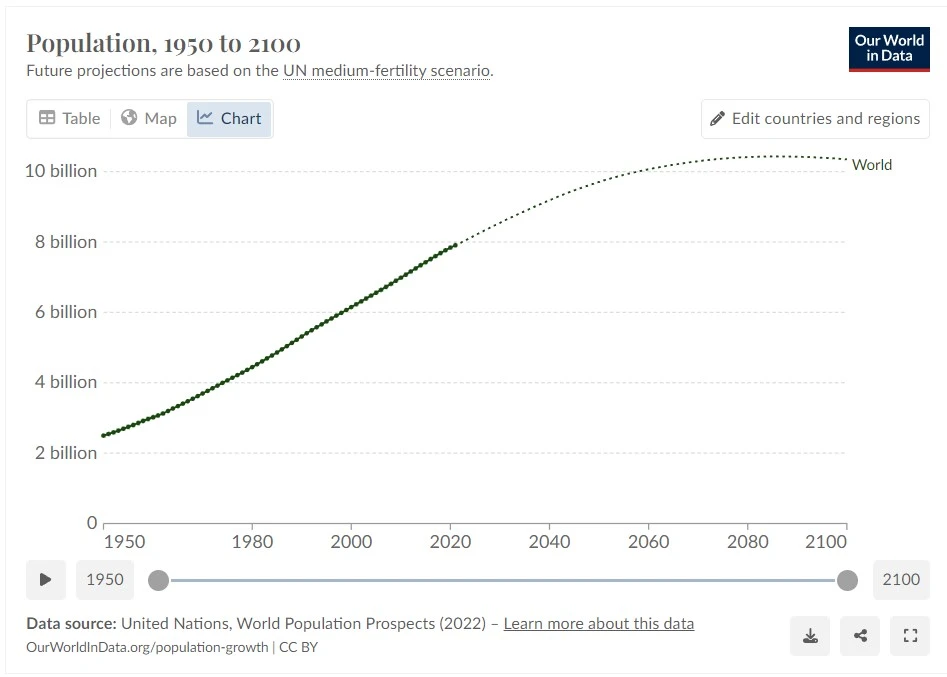 Source: Our World in Data
The increase in human population and economic growth can escalate the demand for natural resources, energy, and food production, which may contribute to greenhouse gas emissions.
The increase in population leads to an increased demand for resources such as food, water, energy, and land. If this demand is not balanced with sustainable efforts, environmental degradation and resource shortages can occur.
While economic growth can increase energy and resource consumption, the sustainable challenge is to reduce environmental impact and transition to a more sustainable economic model.
Unsustainable economic growth can lead to an increase in greenhouse gas emissions, contributing to global climate change.
The importance of managing population growth and economic growth wisely and sustainably is becoming increasingly urgent to maintain a balance between human needs and the health of the planet. Efforts to achieve sustainable development involve population planning, environmental policies, and economic strategies that focus on sustainability.